
 For most Conroe homeowners, insurance will cover some kinds of water damage but not others. The key distinction is whether the damage was sudden and accidental, or gradual and linked to maintenance issues. Knowing this difference helps you decide when to file a claim and what to expect. Disaster Masters can help you navigate both the insurance process and the water damage restoration work needed.
What Is Usually Covered
Most standard homeowners policies cover sudden, accidental internal water damage. Common examples:
Burst pipes from freezing or sudden failure, when you’ve taken reasonable care to maintain your plumbing.
Water heater or appliance failures (e.g., washing machine hose suddenly ruptures, dishwasher line breaks).
Sudden plumbing failures that release water into walls, floors, or ceilings.
Roof leaks caused by covered perils such as wind, hail, or falling objects; the storm‑related damage and resulting interior water damage are often covered.
In these situations, your policy typically helps pay to repair the structure (walls, floors, ceilings, built‑in fixtures) and often your personal property (furniture, electronics, clothing) damaged by the event, subject to deductibles and limits.
What Is Typically Not Covered
Standard homeowners insurance excludes several common water scenarios:
Flooding from outside: Rising water from heavy rain, rivers, creeks, or storm surge is “flood” and generally requires separate flood insurance, not your basic homeowners policy.
Sewer or drain backup: Water or sewage backing up through drains is usually excluded unless you’ve bought a specific water backup endorsement.
Gradual leaks or long‑term seepage: Slow roof leaks, weeping pipes, or chronically damp areas that develop over months or years are often considered maintenance issues rather than sudden losses.
Neglect or poor maintenance: If the insurer believes you ignored obvious warning signs—like visible stains, soft drywall, or known leaks—they may deny coverage for resulting damage.
In short, fast, unexpected events are more likely to be covered; slow, preventable issues generally are not.
How Coverage Actually Works
When you have a covered water loss, your policy may apply in several ways:
Dwelling coverage: Repairs to the home’s structure—roof, walls, floors, built‑in cabinets, etc.
Personal property coverage: Replacement or repair of belongings damaged by water.
Additional living expenses (ALE): Help with temporary housing and some related costs if your home is not safe to live in during repairs.
Two common claim styles:
Actual Cash Value (ACV): Pays the depreciated value of damaged items.
Replacement Cost Value (RCV): Pays what it costs to replace items with new ones of similar kind and quality (often after you actually replace them).
Your deductible (often $500–$1,000 or more) is subtracted from the total payout, and some policies have specific limits for water‑related losses or mold that follows.
What to Do After Water Damage in Conroe
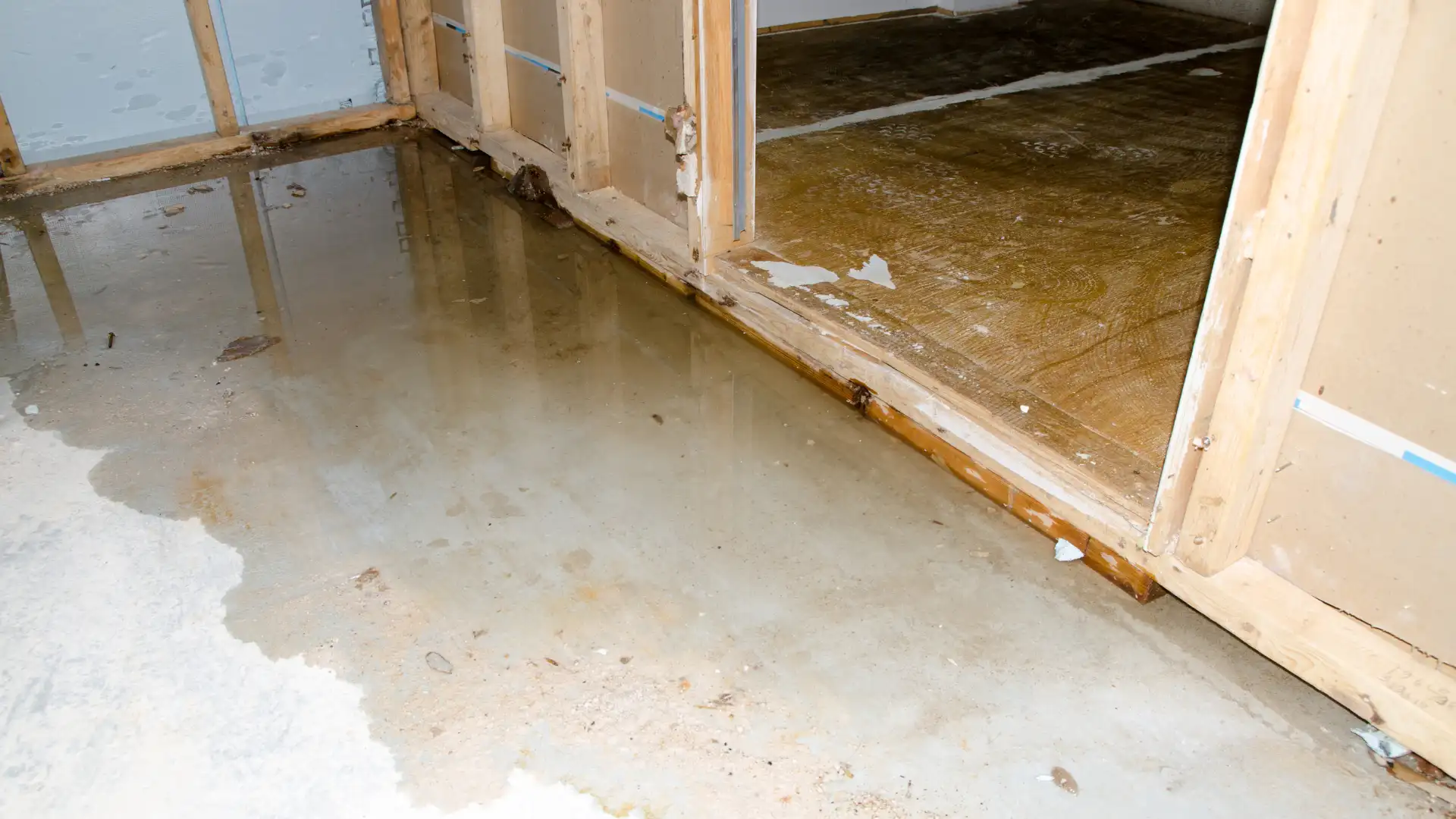
Protect safety first: If safe, turn off power in affected areas and stop the water at the main valve or source.
Document the damage: Take photos and videos of all affected rooms and items—close‑ups and wide shots. Make a list of damaged belongings with rough values.
Contact your insurer promptly: Report the loss as soon as you reasonably can, describe what happened, and get a claim number. Ask whether your policy includes coverage for additional living expenses if you may need to stay elsewhere.
Call a professional restoration company: Rapid extraction and drying matter both for your home and for your claim, because insurers expect “reasonable steps” to prevent further damage. Disaster Masters can handle mitigation and provide detailed documentation that supports your claim and repair plan.
Keep all receipts: Save invoices for emergency repairs, hotel stays, meals, and supplies. These may help with both your property and ALE claim.
Common Questions
Does insurance cover a leaking roof?
It depends on the cause:
- If a storm or hail suddenly damages your roof and it leaks, that’s often covered.
- If the leak is from an old, worn roof or long‑term deterioration, the resulting water damage is usually not covered.
Are burst pipes covered?
Often yes—if the break is sudden and accidental and you’ve taken reasonable steps to maintain and protect your plumbing. Coverage can be denied if the insurer believes the break resulted from neglect, such as failing to heat or winterize the home.
What if my water damage involves flooding?
Standard homeowners insurance almost never covers flood water from outside; you’d need a separate flood policy. If you don’t have one, the structural and contents repairs are usually out‑of‑pocket.
How a Company Like Disaster Masters Helps
Beyond drying and repairs, a restoration company can:
Provide clear, itemized scopes and estimates your adjuster can review.
Document moisture readings, affected materials, and necessary mitigation steps.
Coordinate timing and work with your insurer so repairs stay aligned with coverage.
For Conroe and Willis homeowners, that combination of technical work and claim‑friendly documentation can make the claim process smoother and help you avoid avoidable surprises.
Understanding Your Claim Timeline
The claims process typically unfolds over several weeks. For detailed information on what to expect, see our guide on water damage restoration timelines. Understanding the restoration process can also help you plan for temporary housing and other logistics.
Get Professional Help With Water Damage in Conroe
If you’re facing water damage in Conroe or Willis, Disaster Masters is available 24/7 to help you navigate both the restoration and insurance process. Call 833-225-5379 to request an assessment or emergency service or contact us online.