
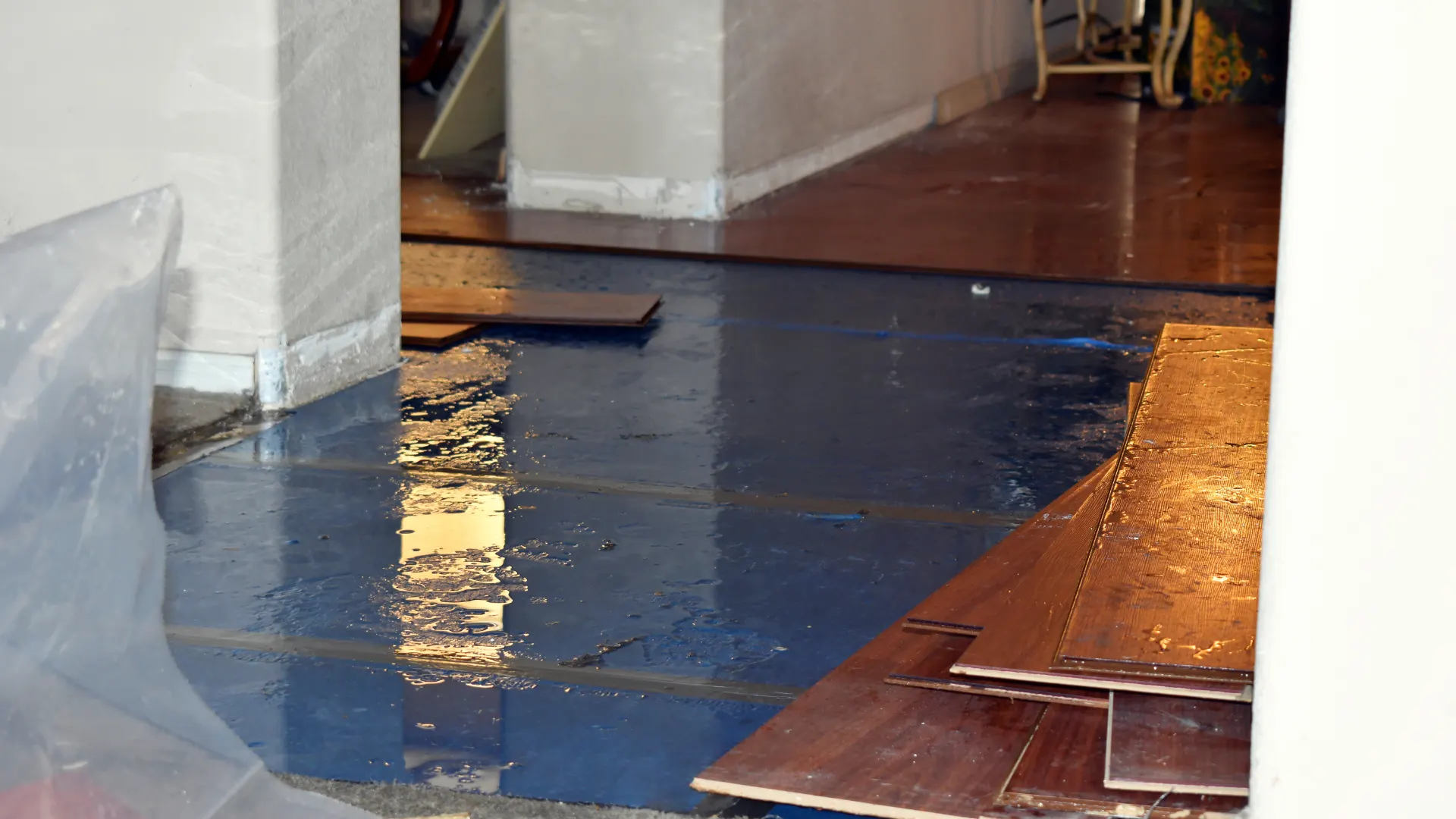
 The time to fully restore a home after water damage usually ranges from a few days for minor incidents to several weeks for more severe losses. How long your situation takes depends on how much water was involved, where it went, and what materials were affected. Understanding the restoration timeline helps you plan and set realistic expectations. Disaster Masters provides complete water damage restoration for Conroe and Spring homeowners with a focus on speed, clear communication, and careful work.
Why Choose Disaster Masters in Conroe
When water damage happens, you need more than basic cleanup. Disaster Masters provides complete water damage restoration for Conroe and Spring homeowners with a focus on speed, clear communication, and careful work.
24/7 emergency response: Water issues rarely wait for business hours. Our team is available around the clock and works to respond as quickly as possible, which helps limit further damage and can shorten the overall timeline.
Trained, certified technicians: We use commercial‑grade equipment and follow current restoration standards to manage extraction, drying, and repairs safely and efficiently.
Customized plans: We assess your home and design a restoration strategy tailored to the type of water, affected areas, and your needs.
Insurance assistance: We coordinate with your insurance company on documentation and scope so you can focus more on recovery and less on paperwork.
Advanced detection: Moisture meters and thermal imaging help us locate hidden water behind walls and under floors, reducing the risk of missed damage that could cause issues later.
Typical Restoration Timelines
While every home is different, many projects fall into these general ranges:
Minor water damage: Approximately 3–5 days
Moderate damage: Around 1–2 weeks
Severe flooding or extensive structural impact: Often 2–4 weeks or more
Several factors influence where your situation falls:
Type of water: Clean water from a supply line is simpler to manage than contaminated water from sewage or outside flooding.
Size of affected area: A small bathroom leak will usually resolve faster than multi‑room damage.
Materials involved: Carpet, drywall, hardwood, tile, and concrete all dry at different rates and have different repair needs.
Indoor climate: Temperature and humidity in and around your home affect how quickly materials can dry thoroughly.
Step‑by‑Step Timeline for Water Damage Restoration
Step 1 – Emergency Response and Assessment (First hours)
When you call Disaster Masters at 833-225-5379, we respond as quickly as practical. On arrival, we:
Inspect visible damage and check safety conditions.
Use moisture detection tools to find hidden dampness.
Identify the water source, if possible.
Outline an initial action plan and discuss next steps with you.
This first phase usually takes several hours, depending on property size and access.
Step 2 – Water Removal and Extraction (Day 1)
Standing water needs to be removed promptly. We:
Use pumps and wet‑dry vacuums to extract water from floors, carpets, and low areas.
Address obvious pooling and trapped water in cavities where accessible.
Extraction often takes less than a day, though very large volumes can take longer. Removing water early helps prevent it from soaking deeper into structures.
Step 3 – Drying and Dehumidification (Days 2–7+)
Drying is often the longest continuous step:
We set up high‑capacity air movers and commercial dehumidifiers.
Equipment runs as needed to pull moisture from walls, flooring, and ceilings.
We check moisture readings regularly to track progress and adjust equipment.
In many homes, drying takes about 3–7 days. Heavier saturation, dense materials, or cooler, humid conditions can extend this period.
Step 4 – Cleaning and Sanitization (Overlapping Days 3–5)
As drying continues, we:
Clean and treat affected surfaces with appropriate antimicrobial products.
Remove debris and address odors associated with the water damage.
This phase often overlaps with drying so the overall timeline is more efficient.
Step 5 – Structural Repairs and Restoration (Week 2 and beyond)
Once the home is dry and clean, we move into repairs:
Replace or repair damaged drywall, insulation, trim, and flooring as needed.
Address minor structural elements affected by water, following building codes and safety standards.
Minor repair work can often be completed in a few days. More extensive repairs—such as replacing large sections of flooring or multiple rooms of drywall—can take several weeks, particularly if specialty materials or inspections are required.
How Severity Changes the Timeline
Minor Water Damage (small, contained leaks)
Typical time: 3–5 days
Example: A supply line leak in a bathroom caught quickly.
Process: 1 day of extraction, 2–3 days of drying, and 1–2 days of light repair.
You can often stay in your home with minimal disruption.
Moderate Water Damage (larger leaks, multiple rooms)
Typical time: 1–2 weeks
Example: A burst pipe affecting several rooms or a roof leak that spreads across ceilings and walls.
Process: 5–7 days of drying plus several days of repairs.
Some areas may be temporarily unusable; short‑term relocation might be recommended depending on where damage occurred.
Severe Water Damage (flooding, structural issues, contamination)
Typical time: 2–4 weeks or longer
Example: Significant flooding in a basement, storm surge, or water involving sewage (“black water”).
Process: Extended drying, possible mold remediation, and large‑scale repairs or reconstruction.
Temporary relocation is often necessary while work is underway.
Why Acting Quickly Matters for Time and Cost
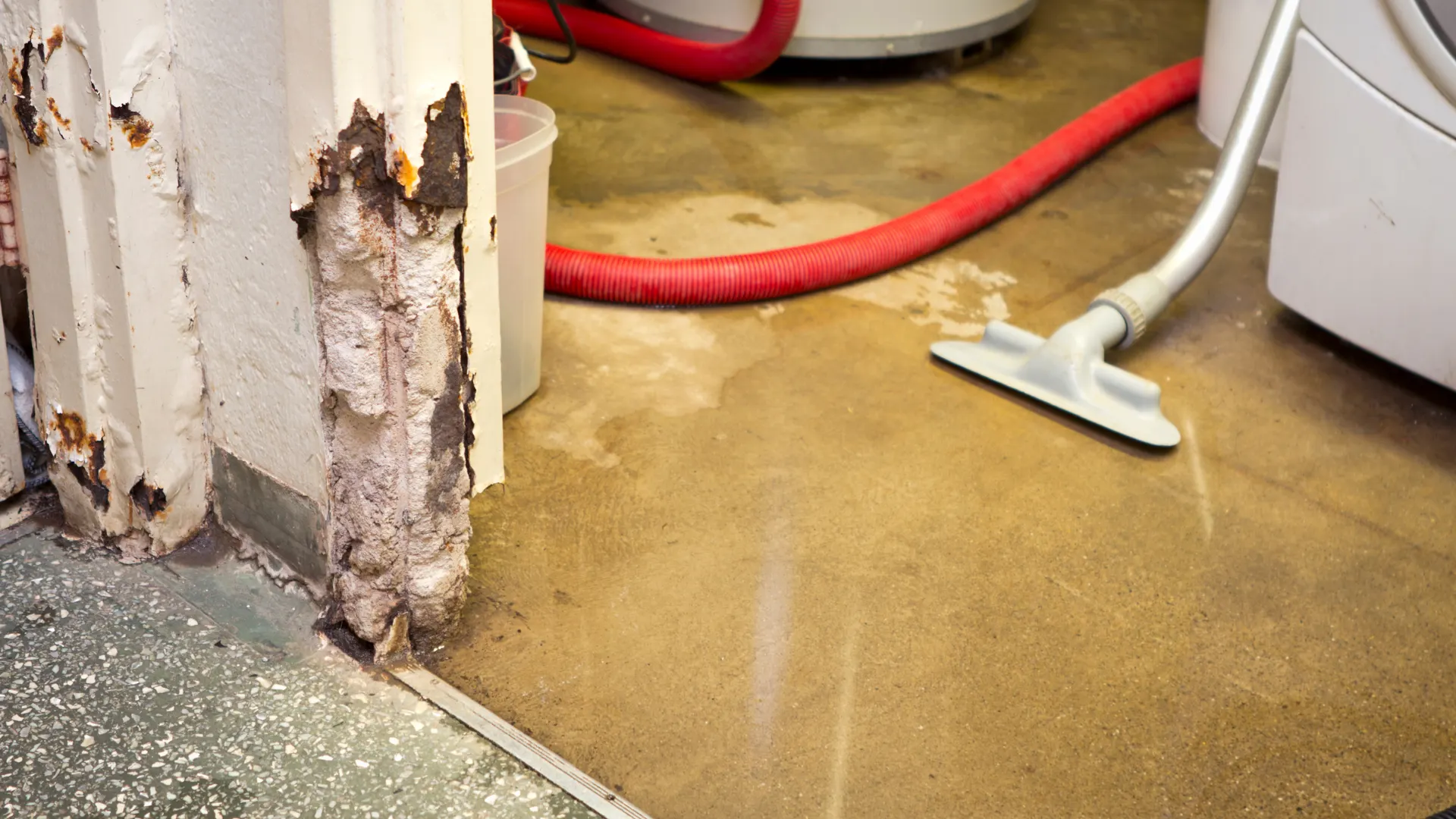
Speed affects both timeline and total impact:
Mold prevention: Mold can begin forming within roughly 24–48 hours on wet materials. Prompt drying helps reduce that risk. For more information, see our guide on preventing mold in Houston’s humid climate.
Structural protection: Early extraction and drying can prevent deeper structural issues, which shorten repair time and may lower cost.
Insurance expectations: Insurers generally expect reasonable steps to mitigate damage; quick action supports your claim and can avoid questions about avoidable deterioration. For guidance on the claims process, see our article on water damage insurance claim tips.
The sooner mitigation begins, the more likely the project stays closer to the “minor or moderate” timeframes rather than expanding into a long, complex restoration.
Frequently Asked Questions
How do I know when my home is truly dry?
We rely on moisture meters and humidity measurements, not just how the surfaces feel. We test walls, floors, and ceilings to confirm moisture levels are within normal ranges before moving fully into repairs. Normal indoor relative humidity is typically around 30–50%, and there should be no ongoing musty odor once drying is complete.
Can I stay in my home during restoration?
It depends on the extent and location of damage, plus safety and comfort:
For minor incidents, many homeowners stay with precautions (equipment noise, limited space).
For moderate or severe damage, especially when electrical, structural, or sanitation concerns exist, temporary relocation is often recommended.
We discuss this with you during the assessment and can help coordinate options when needed.
Will my insurance cover the full restoration?
Coverage usually depends on:
The cause of water damage (sudden pipe break vs. long‑term leak).
Your policy terms, limits, and deductible.
For sudden, accidental events, many policies include both mitigation and repairs. Disaster Masters helps with documentation and communicates with your insurer so the work and claim stay aligned. For more details, see our guide on homeowners insurance and water damage.
Getting Started With Water Damage Restoration in Conroe
Water damage generally becomes more complicated the longer it’s left unaddressed. If you’re facing water issues in Conroe or Spring, Disaster Masters is available 24/7 to respond, assess, and begin mitigation. To request an assessment or emergency service, call 833-225-5379 or contact us online.
Our technician can explain what your specific timeline is likely to look like based on what they find on site and walk you through the steps to bring your home back to safe, normal use.