
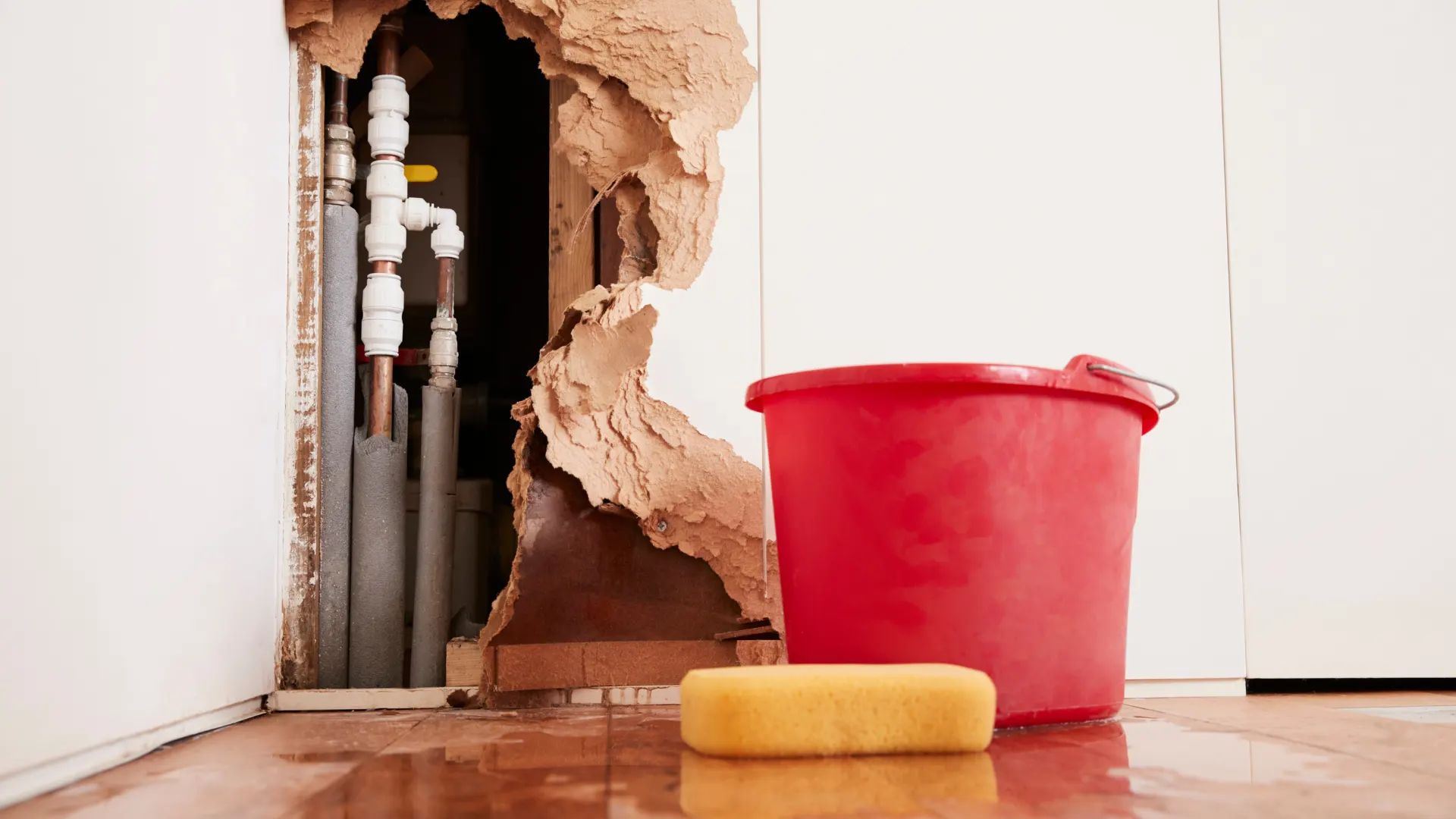
 The way you handle the first few days after water damage has a big impact on how much your insurer pays. Understanding the claim process and taking the right steps early can help you navigate the process more effectively. Disaster Masters has supported many homeowners in Conroe, Cypress, and nearby areas with water damage restoration while coordinating closely with their insurers.
Why Choose Disaster Masters for Claim Support
When water damage affects your home, you need both restoration and guidance through the claim process. Disaster Masters has supported many homeowners in Conroe, Cypress, and nearby areas with water damage restoration while coordinating closely with their insurers.
Our team provides 24/7 emergency response to help limit damage as soon as you call. Certified technicians handle water issues ranging from small leaks to more extensive flooding, using established mitigation and drying methods. We work with your insurance company to share documentation about the damage and restoration plan, helping make the claims process more organized. Homeowners appreciate that we focus on controlled, targeted demolition and repair, working to keep disruption and unnecessary damage as low as practical.
Act Immediately: Stop the Water and Document Everything
The first hours after discovering water damage matter. Your actions affect both the condition of your home and how clearly your claim can be evaluated.
Stop the source: If water is coming from a pipe or appliance, shut off the main water valve or supply line if you can safely reach it.
Document thoroughly: Take photos and videos of all affected areas—floors, walls, ceilings, furniture, and personal items. Capture close‑ups and wide shots.
Create an inventory: Make a list of damaged items with approximate values based on purchase price or receipts if available.
Save receipts: Keep receipts for emergency expenses such as temporary lodging, cleanup supplies, and immediate repair materials.
This early documentation becomes important evidence when your insurer reviews the claim. For more information on water damage restoration timelines, see our detailed guide.
Understand What Your Policy Covers
Before or shortly after you file a claim, review your policy so you know what to expect.
Key points to check:
Type of payout:
Actual cash value (ACV) pays current value after depreciation.
Replacement cost value (RCV) pays to replace items with comparable new ones, subject to limits.
Covered vs. excluded causes:
Sudden, accidental internal water events (like burst pipes) are often covered, while gradual leaks, seepage, or external flooding may be excluded or require different coverage.
Deductible and limits:
Know your deductible amount and any limits on dwelling coverage, personal property, and additional living expenses.
Understanding these terms helps you interpret estimates and settlement offers more effectively. For more details on coverage, see our guide on homeowners insurance and water damage.
Report Your Claim Promptly and Clearly
Timely reporting supports your claim and shows you acted responsibly.
Contact your insurer quickly: Aim to notify them within 24–48 hours of discovering damage.
Provide basic facts: Explain what happened, when you noticed it, and any steps you’ve already taken to stop further damage.
Get your claim number: Ask for the claim number and the contact information of the adjuster assigned to your case.
Ask about additional living expenses: If your home may be unsafe or uninhabitable, ask whether your policy covers temporary housing and related costs.
Being accurate and complete at this stage helps avoid confusion later.
Work Constructively With Your Adjuster
Your adjuster plays a central role in evaluating your loss. A collaborative approach generally works best.
Prepare for the inspection: Have your photos, inventory, and receipts ready.
Walk the property together: Show the adjuster all affected areas, including less obvious spots like closets, crawl spaces, and behind furniture.
Ask questions: If a coverage decision or estimate is unclear, ask for explanations.
Request written estimates: Ask for a written breakdown of what’s included so you can compare it with contractor proposals.
For complex or high‑value claims, some homeowners choose to consult a public adjuster for additional guidance, though this is a personal decision.
Common Mistakes That Can Reduce Your Settlement
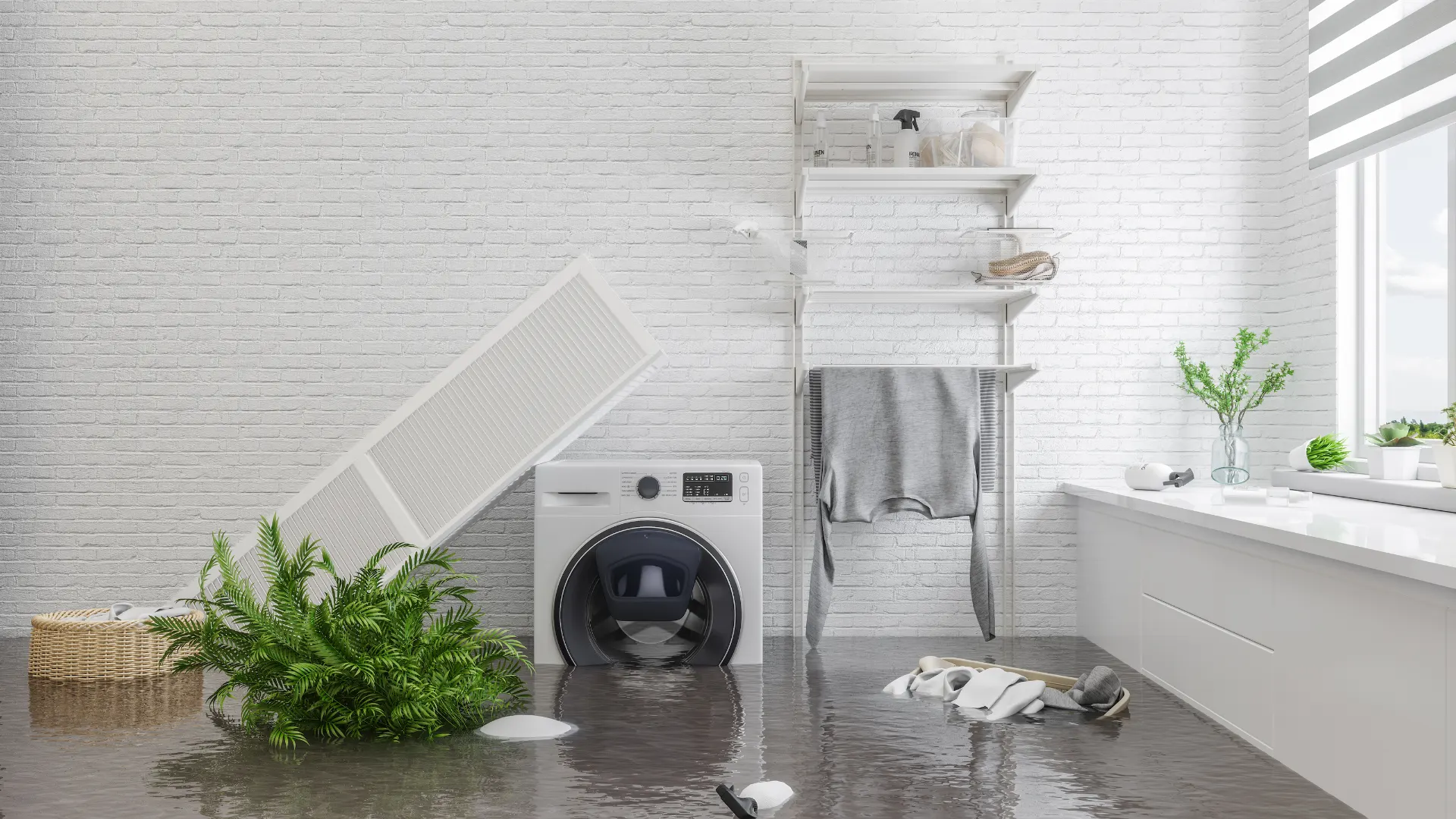
Avoid these missteps that can make claims harder or smaller:
Throwing away damaged items too soon: Keep them until after the adjuster has seen them, unless there’s a health hazard; in that case, photograph thoroughly before disposal.
Doing major repairs before approval: Temporary mitigation is encouraged, but structural repairs should generally wait until you’ve coordinated with your insurer.
Accepting the first offer without review: Take time to compare the offer against contractor estimates, your policy, and your documented losses.
Failing to document secondary damage: New issues like mold growth or structural concerns should be recorded and reported promptly.
Delaying your claim: Most policies have reporting timelines; waiting too long can complicate coverage.
Being deliberate and documenting each step supports a more accurate claim outcome.
Frequently Asked Questions
How long do water damage claims usually take?
Many claims resolve within about 30–90 days, though timing can vary. Straightforward claims with clear cause and documentation may finish sooner, while claims involving structural work or coverage questions can take longer. Adjuster schedules, contractor estimates, and any needed re‑inspections also affect timing.
What if my claim is denied?
If your claim is denied:
Review the denial letter to understand the stated reason.
Ask your insurer for clarification and the exact policy language they’re relying on.
Consider providing additional documentation, such as contractor reports or photos.
If needed, explore options like internal appeals or consulting a professional who understands property claims.
Should I hire a restoration company before filing?
You should take reasonable steps to prevent further damage—this is called mitigation—and a restoration company can help. A good approach is:
Call a restoration company to stop ongoing damage and document conditions.
Ask for written estimates and scope of work.
Share this information with your insurer and adjuster so repairs and coverage can be coordinated.
Disaster Masters focuses on mitigation, detailed documentation, and clear communication with insurers so you can address both restoration and claims requirements together.
Get Help With Water Damage and Claims in Conroe and Cypress
Water damage and insurance paperwork can feel overwhelming, especially when you’re trying to keep your home livable. Disaster Masters can handle the technical side—mitigation, drying, cleanup, and repair—while coordinating information with your insurer.
If you’re dealing with water damage in Conroe, Cypress, or nearby areas, you can call 833-225-5379 for 24/7 assistance or contact us online.
Our technician can help you stabilize the situation, document the loss, and outline next steps so you can focus on getting your home and claim back on track.