
 If you’re seeing dark patches or smelling a persistent musty odor, it’s reasonable to worry about mold. Here’s a comprehensive guide to help you identify mold, understand the risks, and know when to call a professional. Disaster Masters provides mold remediation services for homeowners in Conroe and The Woodlands with a focus on safety, clear communication, and thorough work.
Why Choose Disaster Masters for Mold Removal
When you discover possible mold in your home, you need a team you can rely on. Disaster Masters provides mold remediation services for homeowners in Conroe and The Woodlands with a focus on safety, clear communication, and thorough work.
Certified team: Our technicians are trained and licensed to inspect, contain, and remove mold using established methods.
Diagnostic tools: We use moisture detection and air‑quality assessment to look for hidden mold and contributing moisture sources rather than relying on guesswork.
Safe products: We select cleaning and antimicrobial products that are effective while appropriate for use around families and pets.
Prevention mindset: We look for the moisture source driving the problem and discuss measures to help reduce the chance of mold returning.
24/7 availability: For urgent situations, you can call 833-225-5379 at any time to request assistance.
Visual Signs of Mold You Can See
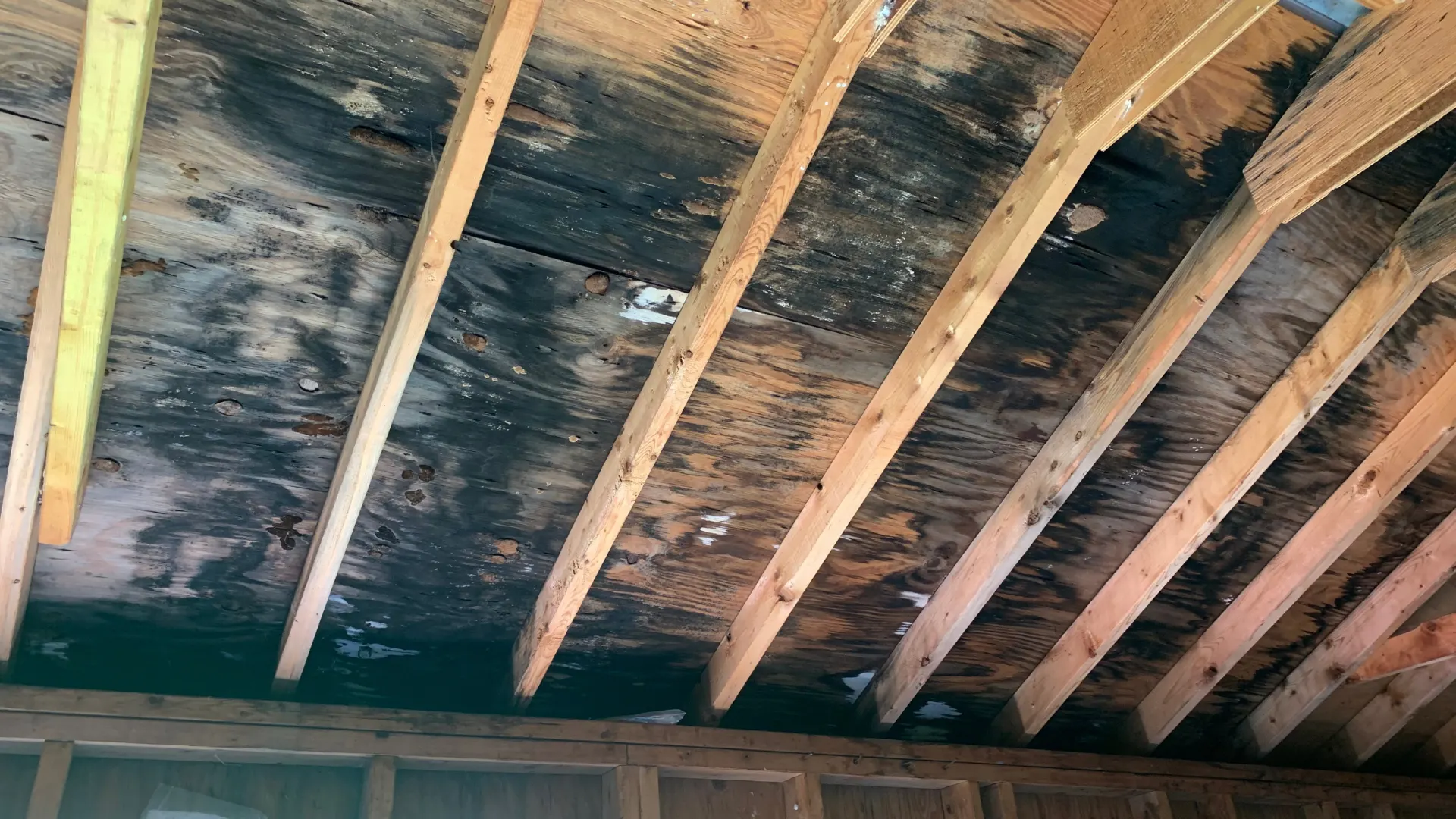
Some mold is visible if you know where to look. It often appears as dark, fuzzy, speckled, or slimy patches that may form spots or irregular patterns. Color can range from black to very dark green or brown, depending on species and age.
Common locations include:
Bathrooms, especially around tubs, showers, tile grout, and under sinks
Basements and crawl spaces
Areas with past or recent water damage (around windows, under roofs, near plumbing)
Behind or on drywall and baseboards
Under damp carpets or padding
Around AC units or HVAC components where condensation collects
Because mold can begin developing within roughly 24 to 48 hours of water exposure, any recent leak, overflow, or roof issue should prompt a check for visible growth and a professional drying plan. For more information on water damage restoration, see our comprehensive guide.
The Musty Smell: A Key Early Warning
You may smell mold before you see it. Many molds produce a persistent, earthy or musty odor similar to damp wood or soil. This smell often comes from compounds the mold releases as it grows.
If you notice an ongoing musty odor in bathrooms, basements, closets, or crawl spaces, especially where moisture has been present, it’s a sign worth investigating. Odor with no visible spots can indicate mold behind walls, under flooring, or in other concealed spaces. In that case, a professional inspection is usually more effective than trying to locate it by cutting into materials yourself. Disaster Masters can help identify hidden mold using advanced moisture detection tools.
Health Symptoms That May Suggest Mold Exposure
Mold affects the building, but it can also irritate occupants. While only a healthcare professional can speak to your specific health situation, some common symptoms associated with moldy environments include:
Coughing, wheezing, or throat irritation
Nasal congestion, sneezing, or runny nose
Itchy or watery eyes and sometimes skin irritation or rashes
Headaches or a sense of fatigue in some individuals
People with asthma, allergies, or weakened immune systems may be more sensitive to mold exposure, and children or older adults can sometimes react more strongly. If symptoms seem to persist longer than typical seasonal allergies or improve when you’re away from home, it may be worth discussing with a doctor and scheduling a mold assessment.
Moisture and Water Damage: The Root Cause
Mold needs moisture to grow. Without a water source, it cannot establish or spread. That’s why managing moisture is central to both prevention and remediation.
Watch for:
Leaking pipes, fixtures, or appliance connections
Roof leaks or flashing issues that let rain into attics or wall cavities
Condensation on windows, cold surfaces, or HVAC ducts
Water stains on ceilings, walls, or around window frames
Peeling or bubbling paint and warped drywall or wood
If you see any of these moisture signs, especially combined with odor or visible mold, it’s important to address the leak or humidity problem quickly. Fixing the source is just as important as cleaning the growth. For guidance on preventing mold in Houston’s humid climate, see our detailed prevention guide.
Professional Mold Removal vs. DIY Attempts
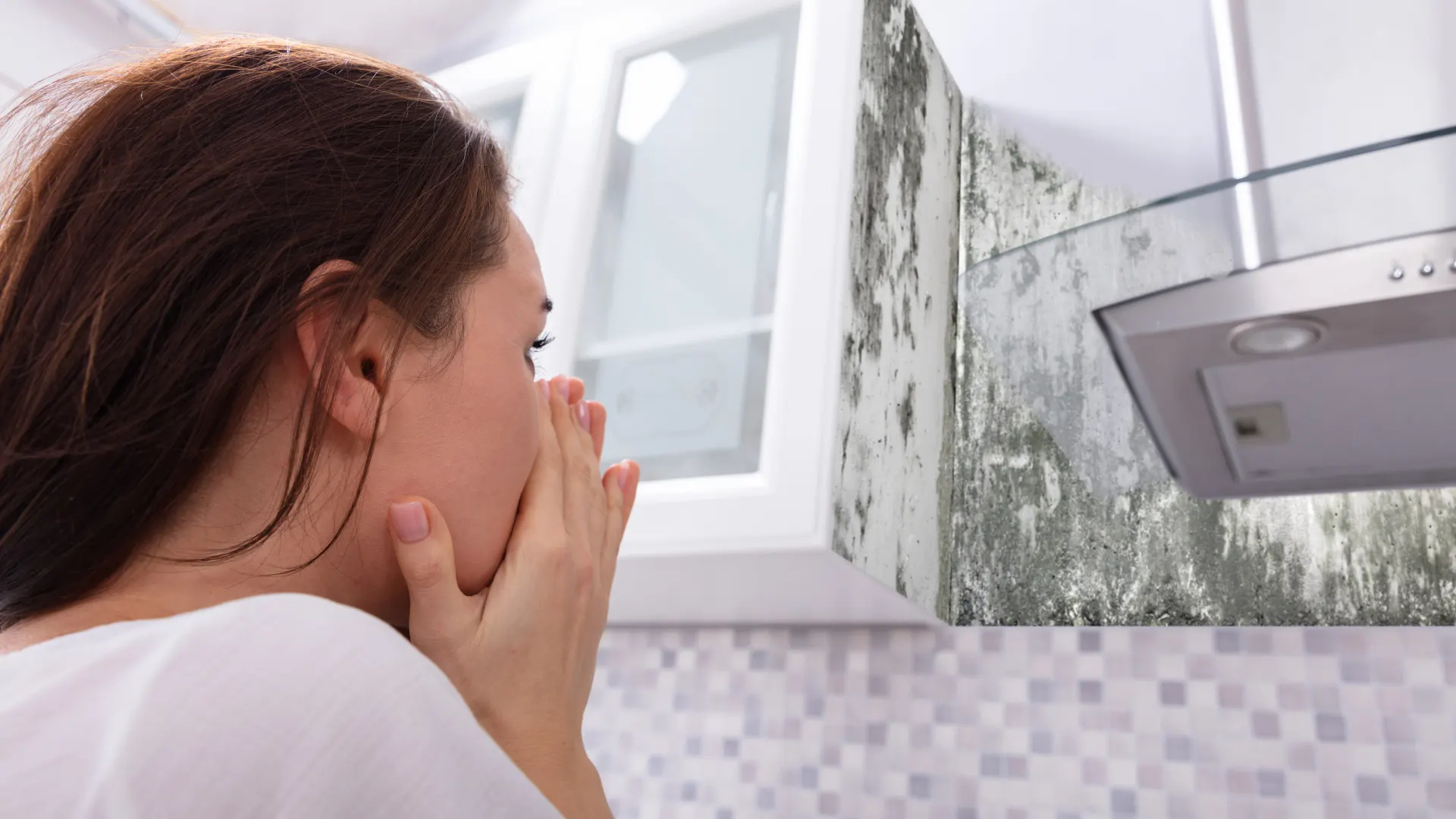
For very small areas (often described as less than about 3×3 feet) and when there are no health concerns, some homeowners do basic cleaning themselves using appropriate precautions. However, larger or unclear situations are better handled professionally.
DIY attempts can:
Spread spores by brushing or scrubbing without containment
Miss hidden colonies behind walls or under floors
Leave the moisture source unresolved, leading to recurrence
Disaster Masters uses a multi‑step mold remediation process that typically includes:
Inspection and assessment: Identifying visible growth, likely spread, and moisture sources.
Containment: Setting up barriers and filtration to help keep spores from moving into clean areas.
Removal and cleaning: Using HEPA filtration, suitable cleaning agents, and methods targeted to the materials involved.
Moisture control: Addressing leaks, humidity, or ventilation problems and applying drying techniques.
Restoration and air‑quality support: Repairing affected materials and improving indoor conditions before the area is returned to normal use.
Frequently Asked Questions About Mold
How quickly can mold grow after water damage?
Under typical indoor conditions, mold can begin forming within about 24 to 48 hours on wet materials. This is why prompt drying after spills, leaks, or storms is critical. For more information, see our guide on water damage restoration timelines.
Is “black mold” always more dangerous than other mold?
Different molds have different characteristics, but all indoor mold growth is considered undesirable and worth addressing. Some species can produce substances that may be more irritating. Rather than focusing only on color, it’s best to treat any significant mold growth as something that requires attention and, if needed, professional remediation.
Are home test kits reliable?
Over‑the‑counter test kits can be inconsistent and are often difficult to interpret. Professional assessment offers more reliable information because it considers both air sampling (when needed) and building conditions, moisture sources, and visible growth.
Take Action to Protect Your Home and Health
If you’ve noticed dark patches, musty odors, water damage, or health symptoms that might be linked to indoor mold, early action helps keep the problem smaller and more manageable.
Disaster Masters serves Conroe, The Woodlands, and surrounding areas with 24/7 availability for urgent mold situations. To request an inspection or ask questions about possible mold in your home, call 833-225-5379 or contact us online.
Our trained technician can help you understand what’s happening, outline options, and plan the next steps toward a safer, cleaner indoor environment.