

 Homeowners insurance may cover mold damage in some situations, but coverage depends heavily on what caused the mold and how your policy is written. In Conroe and Magnolia, that usually means mold is covered when it follows a sudden, accidental water event your policy already covers—not when it comes from gradual leaks or maintenance issues. Disaster Masters can help you navigate both the insurance process and the remediation work needed.
How Mold Coverage Typically Works
Most homeowners policies treat mold as a consequence of water damage, not as a standalone covered item.
If mold results from a sudden, unexpected, covered event (a “covered peril”), your policy often helps pay for remediation.
If mold results from slow, long‑term moisture or lack of maintenance, it’s usually excluded and you pay out of pocket.
Some insurers offer optional mold riders or endorsements that expand coverage, but these have specific limits and conditions.
Think of coverage as depending on whether the insurer sees the cause as accidental and unavoidable, or preventable and maintenance‑related. Understanding this distinction is crucial when filing a claim. For professional guidance on remediation costs, see our article on mold remediation costs in Conroe.
Mold Damage That Is Often Covered
You’re more likely to have coverage when the mold follows a clearly documented, sudden water event your policy covers. Common examples:
Burst Pipe or Sudden Plumbing Failure
A pipe bursts overnight and floods a room. You fix the leak promptly, but mold develops in the wall cavity afterward. That mold is often treated as part of the covered claim.
Sudden Appliance Failure
A washing machine hose snaps or a refrigerator line ruptures and dumps water, and mold later appears in the affected area.
Storm‑Related Water Intrusion
A windstorm damages your roof, rain enters, and mold forms in the attic or walls. Because the storm is a covered peril, the resulting mold may be included.
Water Heater or HVAC Failure
A tank or coil fails suddenly and releases water, and mold follows if all areas weren’t dry in time.
In these scenarios, mold is seen as part of the resulting damage from a covered water event, not a separate maintenance issue. Disaster Masters can document these events and provide the evidence insurers need to approve claims.
Mold Damage That Is Usually Not Covered
Insurers typically deny mold claims when they link the problem to long‑term moisture or preventable conditions. Common non‑covered causes:
Gradual Plumbing Leaks
A pipe drips for months behind a wall, or a slow roof leak stains a ceiling over time. Mold from this kind of long‑term leak is usually excluded.
Poor Maintenance or Ignored Warning Signs
Known water stains, soft drywall, or musty smells that weren’t investigated can be framed as neglect, not a sudden loss.
Humidity and Condensation Issues
Mold from chronic high indoor humidity, poor ventilation (bathroom fans not used, no exhaust in kitchen), or condensation on windows and walls is generally treated as a maintenance problem.
Flooding from Outside
Rising water from heavy rain, swollen creeks, or storm surge is “flood,” which standard homeowners policies almost never cover. Mold that forms after a flood is usually only covered under a separate flood policy.
In short: slow, repeated, or preventable moisture is rarely covered under standard homeowners insurance for mold. If you’re unsure whether your situation qualifies, contact Disaster Masters for a professional assessment.
How Disaster Masters Fits Into Mold + Insurance
When you need mold remediation in Conroe or Magnolia, Disaster Masters can help you handle both the technical work and the insurance piece.
Certified Remediation Team
They follow a structured process: inspection, containment, mold removal, moisture correction, and restoration—focused on both safety and long‑term prevention.
Source‑Focused Approach
They don’t just remove visible mold; they look for the moisture source (leak, humidity, drainage) and propose solutions so the problem is less likely to return.
Insurance Coordination
They can provide detailed documentation (photos, moisture readings, scope of work) and communicate with your adjuster, which is often critical when you’re trying to show that mold came from a covered water event.
For homeowners, that combination of remediation plus documentation is what often makes the difference between a smooth claim and a denial. Disaster Masters has extensive experience working with insurers and can guide you through the process.
What To Do If You Find Mold
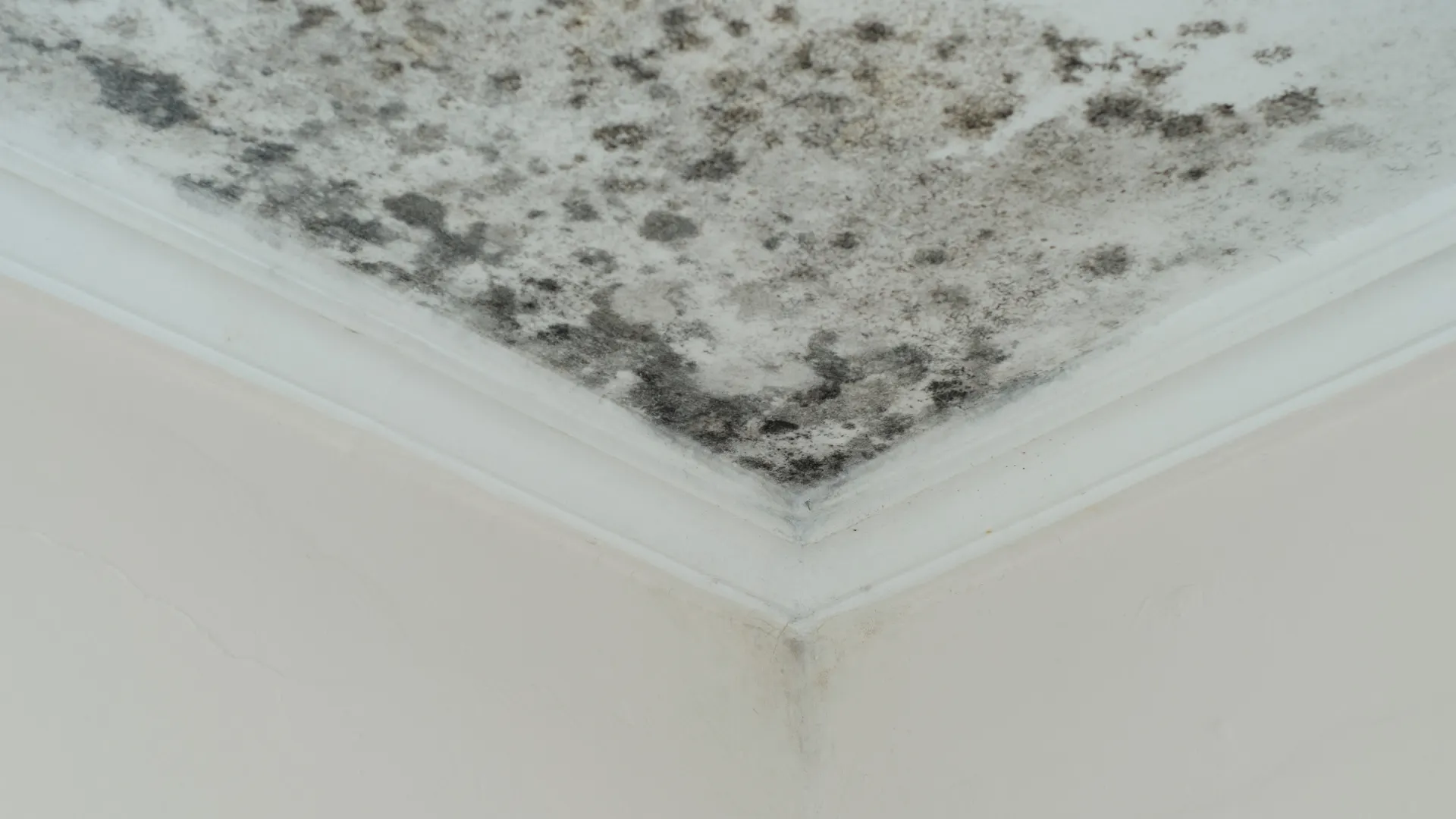
To protect both your health and your insurance position:
Document the Problem Thoroughly
Take photos and short videos of visible mold, water staining, and any known source (leaking pipe, roof damage, etc.).
Identify the Likely Cause
Ask yourself: was this sudden (pipe burst, storm damage), or gradual (old stain, recurring leak)? This shapes your coverage chances.
Contact Your Insurer Promptly
Report the issue as soon as you realize there’s mold, and describe any recent sudden water events that may have caused it.
Avoid Aggressive DIY Cleanup
Scrubbing or cutting into moldy materials can spread spores and destroy evidence about cause and extent. Light containment (closing doors, reducing airflow) is fine; structural work is not.
Schedule a Professional Assessment
A company like Disaster Masters can inspect, identify moisture sources, scope the remediation, and produce a report you can share with your insurer.
Keep All Receipts and Records
Temporary repairs, dehumidifier rentals, hotel stays, and cleaning supplies can sometimes be considered as part of your claim.
FAQs: Mold and Homeowners Insurance
Does homeowners insurance pay for mold removal?
Sometimes. It’s more likely when:
Mold follows a sudden, covered water event (burst pipe, sudden appliance failure, storm damage).
You reported the water incident promptly and took reasonable steps to dry and mitigate.
It’s unlikely when:
Mold is tied to long‑term leaks, maintenance issues, or flooding from outside.
How much does professional mold remediation cost?
Costs vary widely with size and complexity. Roughly:
Small, localized problems (e.g., a corner of a bathroom): hundreds to low thousands.
Moderate, multi‑room issues: a few thousand dollars.
Extensive or whole‑house problems, or HVAC contamination: several thousand and up.
Your insurer may reimburse some or all of this if the mold stems from a covered water event and your policy includes mold or “limited fungus” coverage. For detailed cost information, see our guide on mold remediation costs in Conroe.
What if my mold claim is denied?
If your claim is denied:
Ask for the written reason and the specific policy language they relied on.
Review your policy’s sections on water damage, mold, and exclusions.
Consider asking your remediation contractor for a cause‑of‑loss letter that clearly explains how the mold arose (e.g., “originating from sudden pipe rupture on [date]”).
If you still disagree, you can request reconsideration or talk with an independent agent or attorney.
Practical Next Step for You
If you’re in Conroe or Magnolia and already dealing with mold, the single best step is to clarify whether there was a recent, sudden water event that might qualify as a covered peril. Once you know that, you can talk to both your insurer and a remediation company like Disaster Masters with a clear story about the cause.
Contact us online or call us at 833-225-5379 to request a professional assessment and documentation for your insurance claim. Disaster Masters is available 24/7 to help you navigate mold damage and the insurance process.