
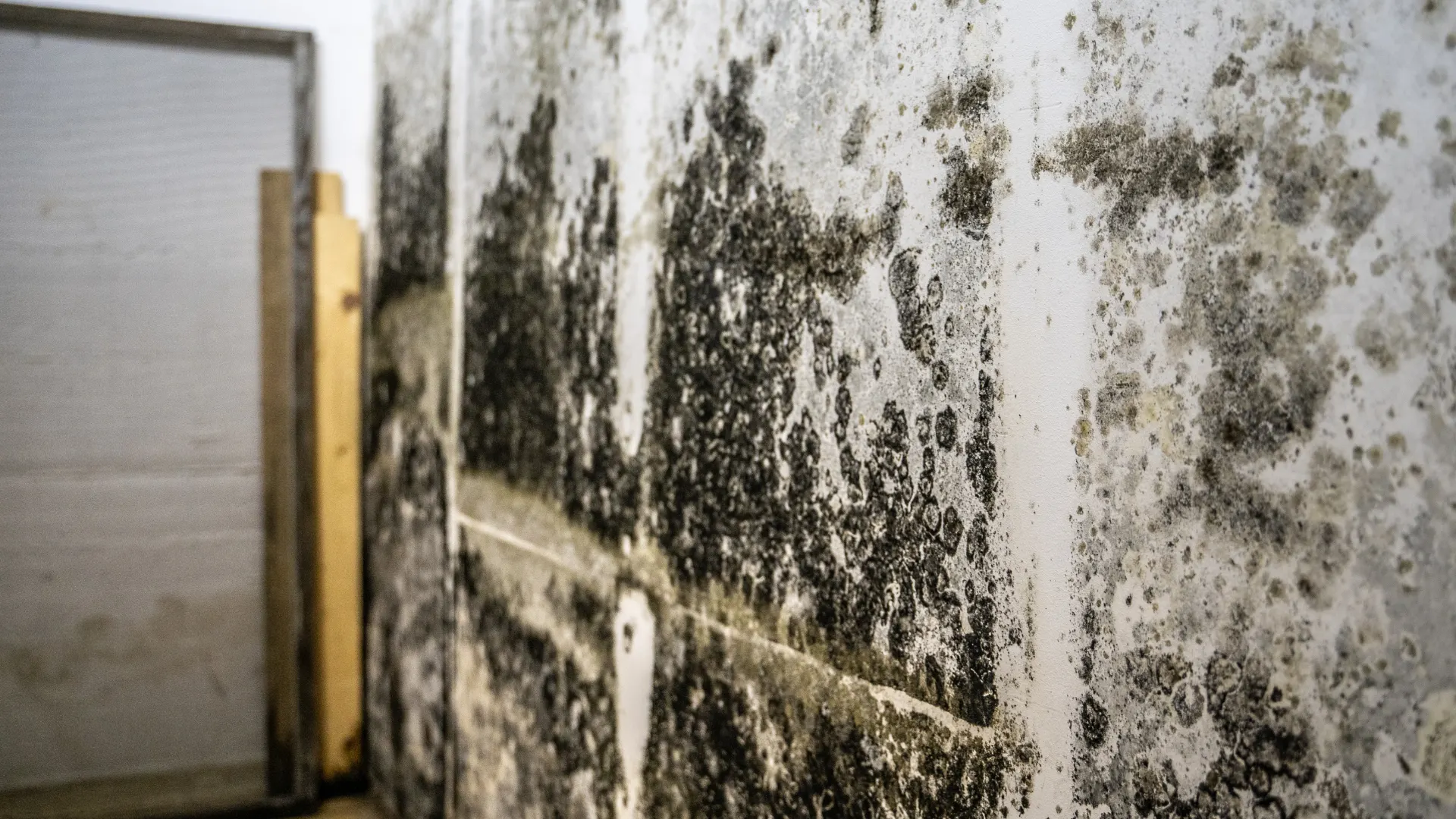
 In Houston‘s climate, mold prevention is all about controlling moisture—especially indoor humidity and leaks—because mold can begin forming within about 24–48 hours on wet materials. Disaster Masters provides mold remediation services and moisture-control guidance for homeowners throughout the Greater Houston area, including Conroe, Willis, Spring, The Woodlands, Magnolia, Cypress, Champions, and Splendora.
Why Houston Homes Are So Mold‑Prone
Houston‘s warm, humid, storm‑prone climate makes mold prevention a year‑round concern, not just a seasonal issue. High outdoor humidity, frequent heavy rain, and temperatures that often stay between 60 and 90 degrees mean your home is constantly exposed to moisture.
The risk increases during hurricane season and major storms, when roof leaks, wind‑driven rain, and localized flooding can introduce water into walls, attics, and crawl spaces. Even “small” water incidents—like a minor roof leak or an overflowing tub—can support mold growth if drying is delayed. Understanding these local conditions is the starting point for an effective prevention plan.
Control Indoor Humidity: Your Core Strategy
Mold thrives when indoor humidity is high. A practical target is to keep indoor relative humidity below about 60%, with an ideal range around 30–50%.
Why This Matters in Houston
In a humid city, simply opening windows is often not enough—and can sometimes make things worse—because outdoor air may already be very moist. You usually need mechanical help:
Dehumidifiers: Run them in basements, crawl spaces, and other damp areas, and either empty the collection buckets regularly or use units with a drain line.
Air conditioning: A properly sized and maintained AC system removes moisture as it cools. Annual service helps keep it effective.
Humidity meters: Inexpensive hygrometers let you see actual humidity in each room so you can identify problem areas instead of guessing.
Room‑by‑Room Humidity Tips
Bathrooms: Use exhaust fans during and for 20–30 minutes after showers or baths.
Kitchens: Run the range hood while cooking and boiling to reduce steam.
Basements and crawl spaces: Combine dehumidifiers with ventilation where possible.
Bedrooms and living areas: Monitor humidity, especially in older homes or rooms with minimal airflow.
Quick humidity checklist:
Have at least one humidity meter and check it regularly.
Use and maintain dehumidifiers in moisture‑prone areas.
Keep your AC system serviced and filters clean.
Run exhaust fans during and after showering and cooking.
Improve Ventilation and Air Movement
Good ventilation helps move moist air out and reduce stagnant, damp pockets where mold can start.
Key Ventilation Practices
Exhaust fans: Bathroom and kitchen fans should vent all the way outside, not into the attic. If yours vent into the attic, consider having them redirected.
Attic ventilation: Soffit vents (low) and ridge or roof vents (high) work together to move hot, moist air out of the attic, reducing condensation and roof‑related moisture issues.
Crawl space ventilation: Open, unobstructed vents and, where appropriate, a plastic vapor barrier over bare soil help limit moisture rising into the home from below.
Strategic window use: In Houston, opening windows is most helpful when outdoor humidity is lower—often early morning or after a cool front. Avoid wide‑open windows during peak hot, humid afternoons.
HVAC maintenance: Annual servicing and regular filter changes keep airflow strong and help the system dehumidify effectively.
Quick ventilation checklist:
Confirm bathroom and kitchen fans actually vent outdoors.
Inspect attic vents and keep them clear.
Consider a vapor barrier in crawl spaces.
Schedule yearly HVAC maintenance.
Open windows only when outside air is relatively dry.
Fix Leaks and Manage Water Intrusion Quickly
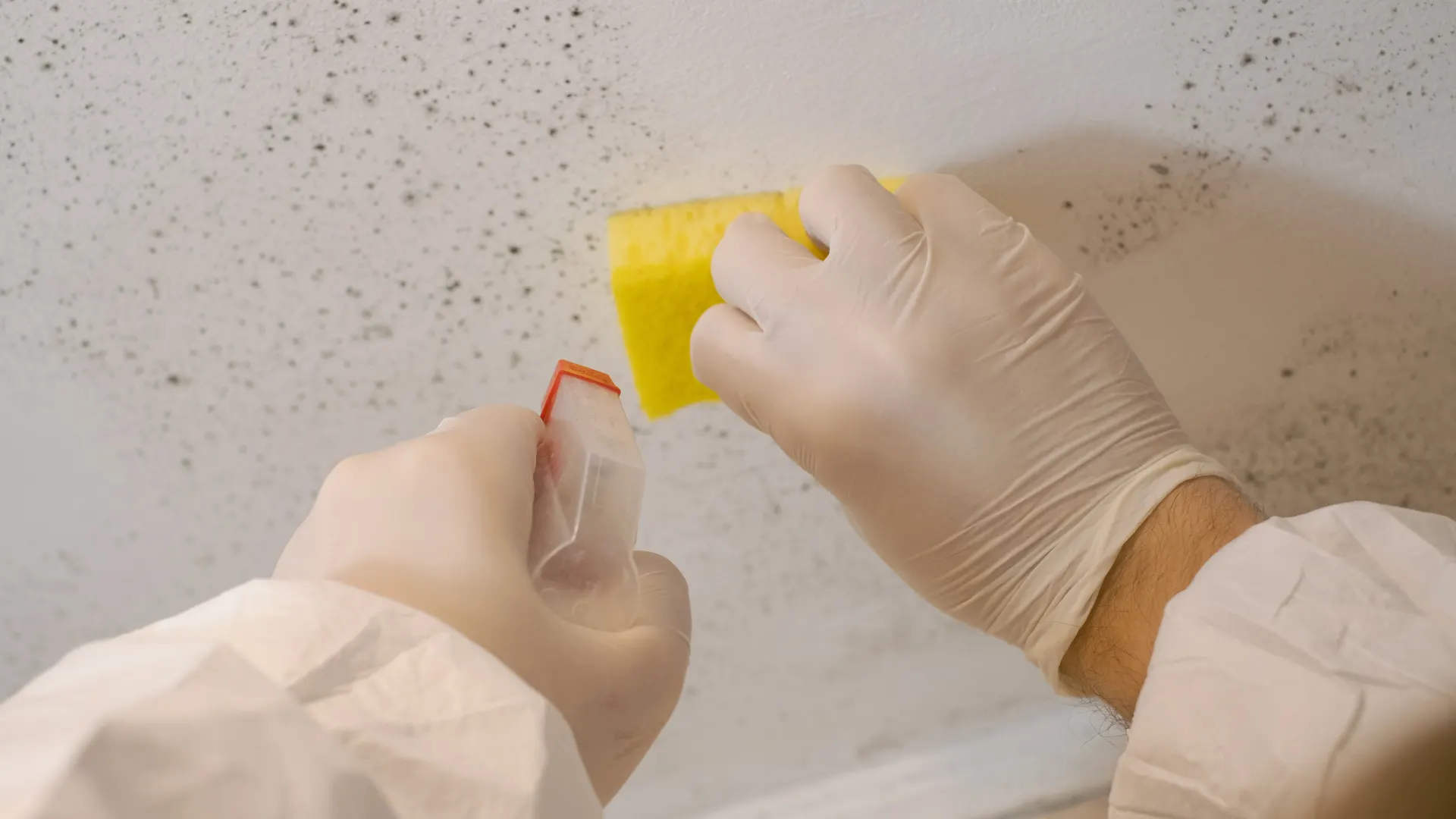
Because mold can begin forming within 24–48 hours, leaks and water intrusions need fast attention.
Common Houston Leak Sources
Roofs: Wind, hail, and aging shingles or flashing can let water into attics and walls. Inspect after major storms and repair damage promptly.
Plumbing: Check under sinks, around toilets, behind washing machines, and near water heaters for drips, stains, or corrosion.
Windows and doors: Old or cracked caulking can allow wind‑driven rain to enter. Reseal as needed.
Foundations and slabs: Shifting soils and cracks can let water seep into basements or crawl spaces during heavy rains.
Drying After Water Exposure
If water gets inside:
Start drying within 24–48 hours using fans, dehumidifiers, and, when conditions allow, ventilation.
Remove and discard materials that cannot be dried thoroughly (e.g., soaked cardboard, some insulation).
Clean gutters and ensure downspouts carry water several feet away from the foundation to reduce seepage.
In homes that experience recurrent water intrusion, sump pumps and leak‑detection sensors can help catch problems earlier. For professional guidance on water damage restoration, see our detailed timeline guide.
Quick leak‑prevention checklist:
Inspect roofs and exterior after storms.
Check plumbing fixtures and visible piping regularly.
Maintain caulking around windows and doors.
Keep gutters clean and downspouts aimed away from the foundation.
Consider leak sensors in high‑risk areas.
Why Disaster Masters for Mold Prevention & Remediation
Prevention is ideal, but sometimes mold appears despite best efforts. When that happens, professional help can limit spread and address underlying moisture. Disaster Masters serves the Greater Houston area—including Conroe, Willis, Spring, The Woodlands, Magnolia, Cypress, Champions, Splendora—with mold remediation and moisture‑control services.
What they focus on:
Certified technicians experienced with Houston’s specific climate and building types.
Advanced moisture detection to locate hidden damp areas and potential mold growth sites.
Source‑focused remediation that addresses both visible mold and the conditions that allowed it to grow.
Safe, practical products chosen to balance effectiveness with household safety.
24/7 availability for urgent situations where water or mold need immediate attention.
Their typical process includes inspection and testing, containment, mold removal and cleaning, moisture control, and restoration of affected areas, along with attention to indoor air quality.
FAQs: Mold Prevention in a Humid Climate
What indoor humidity level should I aim for?
Aim to keep indoor humidity under about 60%, with an ideal range around 30–50%. Above that, many molds can grow more readily, especially on dust, fabric, and porous materials.
How fast does mold grow after a leak?
Under typical indoor conditions, mold can begin forming within roughly 24–48 hours on wet or damp surfaces. That’s why prompt drying after spills, leaks, or storms is essential. For more information on the restoration timeline, see our guide on how long water damage restoration takes.
Do I really need a dehumidifier in Houston?
In many Houston homes, a dehumidifier is one of the most cost‑effective tools for mold prevention—especially in basements, crawl spaces, or rooms that feel persistently “sticky” or damp. While strong AC and ventilation help, a dedicated dehumidifier often makes the difference between borderline and safer humidity levels.
Take Practical Steps Now
Because Houston’s climate constantly supports mold, prevention is less about one‑time fixes and more about ongoing habits:
Check humidity regularly.
Keep AC and ventilation systems maintained.
Address leaks quickly and dry thoroughly.
Use dehumidifiers where humidity consistently runs high.
If you’re already seeing mold, noticing persistent musty odors, or dealing with repeat moisture problems, it’s wise to get a professional assessment. Disaster Masters can inspect, explain what’s going on, and outline both remediation and prevention options tailored to your home.
For signs of mold you may have missed, see our guide on identifying black mold in your home. Call 833-225-5379 or book via our online page to request a professional assessment and mold prevention plan.