
During major storm events in Montgomery County, headlines frequently focus on controlled releases from Lake Conroe by the San Jacinto River Authority (SJRA). For property owners in Conroe, Willis, Splendora, and surrounding areas, hearing that floodgates are opening can raise immediate concerns about rising water and property safety.
Understanding why these releases occur, how water moves through local watersheds, and how neighboring communities are impacted helps you make informed decisions when severe weather hits.
At Disaster Masters SW, headquartered right here in Conroe, our restoration specialists respond to storm and water damage throughout Montgomery County. Here is what actually happens when Lake Conroe releases water—and how to safeguard your home.
Why SJRA Releases Water from Lake Conroe
Lake Conroe is a 21,000-acre reservoir created primarily as a water supply, not a dedicated flood-control reservoir. It sits on the West Fork of the San Jacinto River, holding a normal pool level of 201 feet above mean sea level.
When torrential rain falls over the upper San Jacinto River basin—including areas north toward Willis—enormous volumes of runoff pour into Lake Conroe. To prevent the dam from being overtopped or damaged structurally, the SJRA opens spillway gates to pass excess water downstream.
Key facts about the process include:
-
The Goal is Dam Safety: Gate operations ensure the dam remains structurally sound during extreme rain events.
-
Inflow vs. Outflow: During major storms, water often enters Lake Conroe faster than gates can release it, causing lake levels to rise even while releases are active.
-
Protocol-Driven Operations: SJRA technicians adjust spillway gates based on real-time water elevation data and incoming streamflow forecasts.
Impact on Conroe: Downstream Surge along the West Fork
Because Conroe sits directly below the Lake Conroe dam, low-lying communities along the West Fork of the San Jacinto River experience the most immediate impact when gate releases increase.
-
River Channel Capacity: As release rates increase, the capacity of the West Fork channel can become overwhelmed, forcing water into floodplains, low-lying subdivisions, and riverbanks.
-
Street and Property Flooding: Roads, driveways, and structures built in lower elevations near river tributaries face heightened risk of standing water and localized flooding.
Impact on Willis: Upstream Runoff and Drainage Backups
While Willis sits north of Lake Conroe and upstream of the dam, heavy rain events that trigger dam releases affect Willis properties differently:
-
Inflow Drainage Backups: Major tributaries that feed into Lake Conroe pass near or through Willis. When the lake reaches capacity, these tributary streams drain more slowly, causing water to back up into local ditches, yards, and roads.
-
Ground Saturation: Heavy rain soaking into clay-heavy soil leaves runoff with nowhere to go, leading to fast-rising surface water around residential homes.
Impact on Splendora: The Peach Creek and San Jacinto Network
Splendora is located in eastern Montgomery County, away from the Lake Conroe dam itself, but sits within the broader San Jacinto River basin drained by Peach Creek and Caney Creek.
-
Combined Basin Peak: During widespread tropical systems or stalled fronts, high water levels across the San Jacinto system limit drainage throughout the county.
-
Backwater Effects: When primary river channels stay full, smaller creeks near Splendora cannot discharge efficiently, increasing flood risks for low-lying rural homes and subdivisions.
What to Do If Floodwater Threatens or Enters Your Home
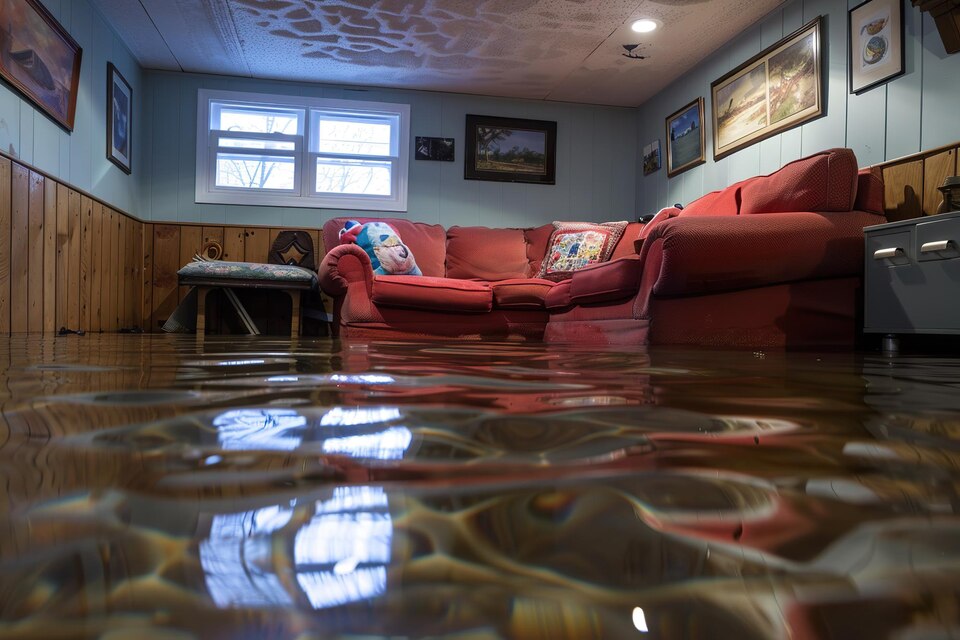
Floodwaters originating from swollen lakes, creeks, or overland runoff carry dirt, debris, and contaminants into structures. Fast, professional mitigation is essential to stabilize your property and reduce permanent damage.
If your home is impacted by rising water:
-
Ensure Safety First: Never enter standing floodwater. If water approaches your home, turn off electricity at the main breaker panel if it is safe to do so, or contact your utility provider.
-
Document Conditions for Insurance: Before removing standing water or damaged items, take detailed photographs and videos of all affected rooms, flooring, and belongings.
-
Act Quickly on Moisture: Water soaks rapidly into drywall, carpet padding, framing, and cabinets. Structural drying must begin promptly to avoid structural weakening and mold growth.
Complete Flood and Water Damage Restoration with Disaster Masters SW
If storm runoff or rising water affects your property, working with a local restoration company speeds up recovery. Disaster Masters SW provides emergency water extraction, structural drying, storm damage repairs, and mold remediation across Conroe, Willis, Splendora, Spring, The Woodlands, Magnolia, Cypress, and surrounding counties.
How We Help Property Owners Recover:
-
24/7 Emergency Mobilization: Our certified restoration teams respond immediately day or night to inspect damage and begin cleanup.
-
Industrial Extraction & Structural Drying: We deploy commercial water extractors, high-volume air movers, and industrial dehumidifiers to dry framing, subfloors, and walls thoroughly.
-
Licensed Mold Remediation: Certified technicians clean, sanitize, and treat affected areas to prevent mold contamination.
-
Insurance Claim Guidance: We work directly with your insurance adjuster and provide standardized software to streamline your claim.
Need Emergency Flood Cleanup or Restoration?
When storm water damages your home, rapid response makes the difference. Contact the certified local specialists at Disaster Masters SW.
-
Call 24/7: 833-225-5379
-
Request Service: disastermasterssw.com
-
Service Areas: Conroe, Willis, Splendora, Spring, Magnolia, Cypress, The Woodlands, Harris County, Grimes County, and Montgomery County.